What Actually Drives a Retail Property's Value?
Income, risk, and the market's appetite for both — a framework for thinking about value beyond the asking price.
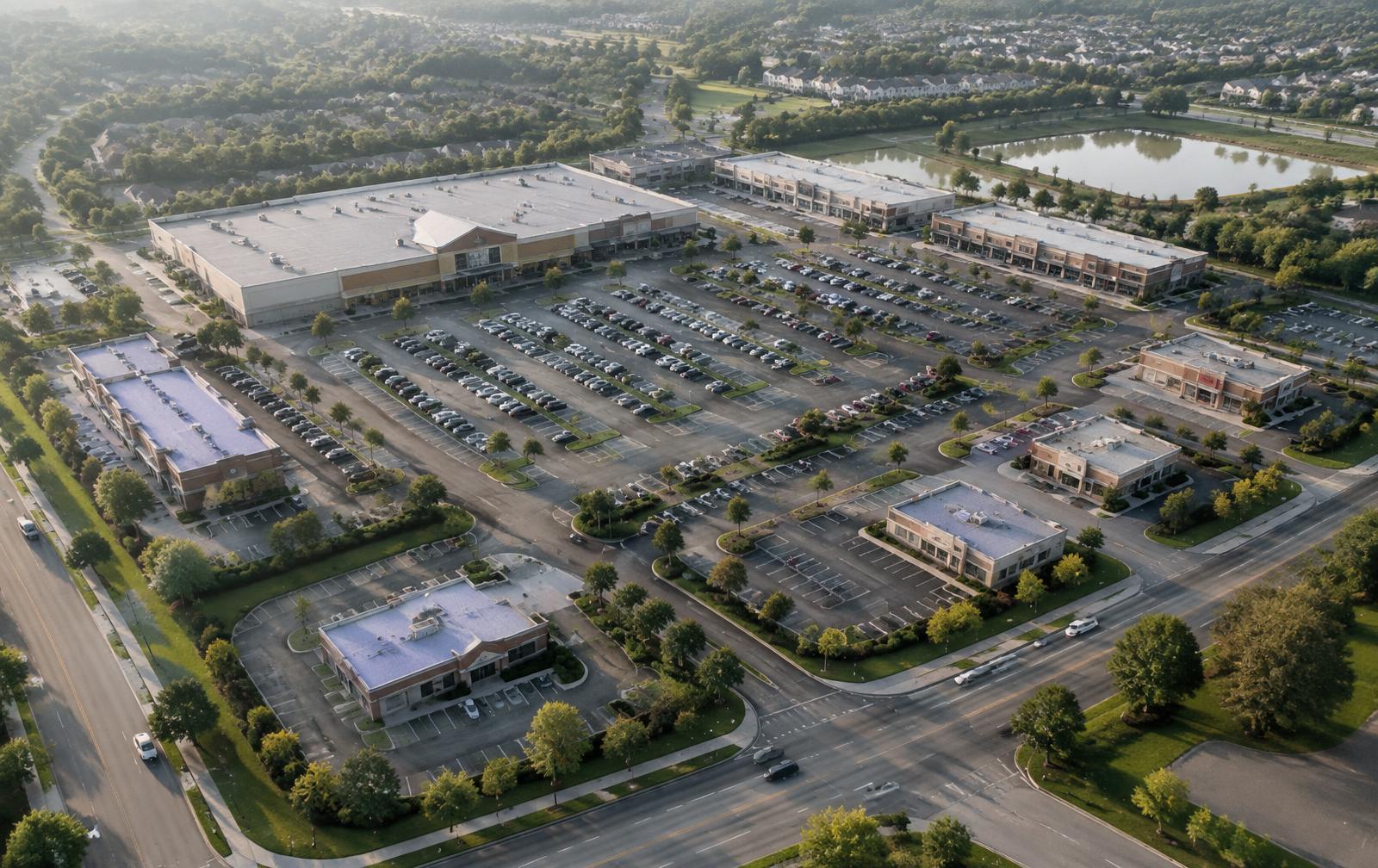
A retail property is, at its core, a stream of income attached to a piece of land. Its value is what a buyer is willing to pay today for the right to receive that income in the future — adjusted for how confident they are that it will actually arrive.
Income comes first
Most investment-grade retail is valued primarily on net operating income (NOI): the rent and reimbursements a property collects, less the operating expenses the landlord bears. Two buildings of identical size can carry very different values simply because one produces more dependable income than the other.
That is why lease terms matter so much. Who pays taxes, insurance, and maintenance; how long the lease runs; whether rent increases are built in — each of these shapes the income a buyer is actually acquiring.
Risk sets the multiple
The market expresses its view of risk through the capitalization rate. A lower cap rate means buyers are paying more for each dollar of income, usually because they view that income as safer or more likely to grow.
Tenant credit, remaining lease term, location quality, and the replaceability of the tenant all feed into that risk judgment. A strong location can partly offset a weaker tenant, because the space is easier to re-lease.
“If the tenant left tomorrow, what would this property be worth? That question quietly anchors value.”
The real estate underneath
Experienced investors often ask a simple question: if the tenant left tomorrow, what would this property be worth? Access, visibility, traffic patterns, surrounding demographics, and the cost to re-tenant the space all determine the answer — and that answer quietly anchors value.
Examples are hypothetical and for education only. This article is not investment, legal, tax, or financial advice.
The Retail Blueprint Brief
Get the next one in your inbox.
The Brief is in preparation. Signups are not yet active; this form does not store your details.
Related reading
Investment
How Investors Evaluate a Shopping Center
Anchors, rent rolls, and the trade area — the questions that come before the offer.
9 min read

Education
Understanding Cap Rates in Retail Real Estate
The most quoted number in commercial real estate — what it measures, and what it leaves out.
7 min read
Tenants
Why Tenant Credit Matters More Than Most Beginners Realize
A lease is only as strong as the party obligated to pay it.
6 min read